I’m always excited by the sparks that fly when diverse groups of people really get into each other's needs and assumptions.
Last week I attended the Ottawa Board of Trade’s Downtown Ottawa Forum, bringing together a cross-section of those involved and impacted. The caring and commitment of the people and organizations striving to improve our city was heartwarming. They are working hard to cross silos and get at the root of systemic challenges.
What opportunities for reimagining the downtown will present themselves when we deeply understand each other’s needs and assumptions? We all help when we bring an appetite for true understanding that goes deeper than debate.
Let me explain.
One person shared how their peer group finds the downtown frustratingly inaccessible. Another commented that it wasn’t a very good place to raise a family. A third spoke up needing to refute both of those, based on their own experiences growing up downtown.
That’s the debate. Here’s how we go deeper to make the difference.
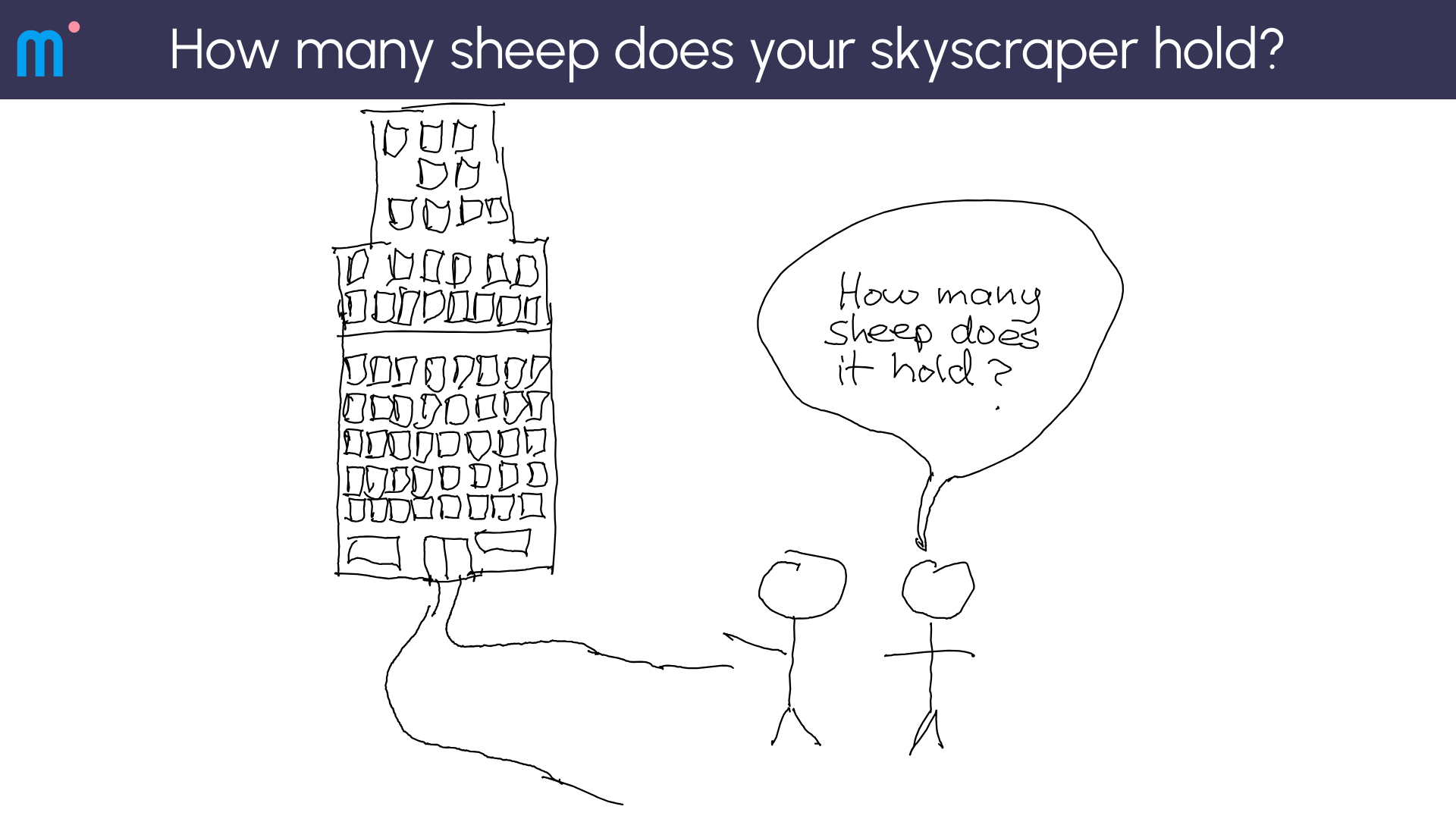
A story from over a century ago tells how a skyscraper photo was used to prove human advancement. The question came back, “How many sheep does it hold?” A “ridiculous” question for those who design, build and use skyscrapers. An insightful one for those for whom livestock ownership is the basis of wealth, prosperity and power.
When enticing a suburbanite downtown, the response is often similar. “How many free parking spaces do you have?” Go deeper into what they’re really asking. How does it meet my needs? How would it work for me? How can I get there from here? Telling them it’s the wrong question is the wrong answer.
Refuting it misses the opportunity.
In WWII, those responsible for improving combat bombers carefully mapped out bullet holes and studied where to add additional protection. Weight limitations meant there was no point reinforcing where the holes were, because the bombers came back despite them. The key insight is to focus on where we can’t see any holes.
It’s an imperfect analogy that reminds us to consider how we might meet the needs of those who aren’t attracted to downtown—from their perspective. What would be the benefit of addressing problems where we don’t see any problems, and providing a viable transition path from one style of living to another? Fresh solutions from outside the assumed frame of reference.
It is all part of contributing to human flourishing in the downtown and everywhere else. Creating better ways for people to get their needs met more effectively and at lower cost is a huge win for us all!